Concrete Slab & Foundation Work
Solid foundation work and concrete slabs built right the first time for your Lake Oswego construction project.
Foundation Work That Supports Your Building
Your foundation is literally what holds up your entire structure. Whether you are building a new home, adding a garage, or constructing a shop, the concrete work underneath needs to be done right. Poor foundation work leads to cracks, settling, and structural problems that cost thousands to fix later.
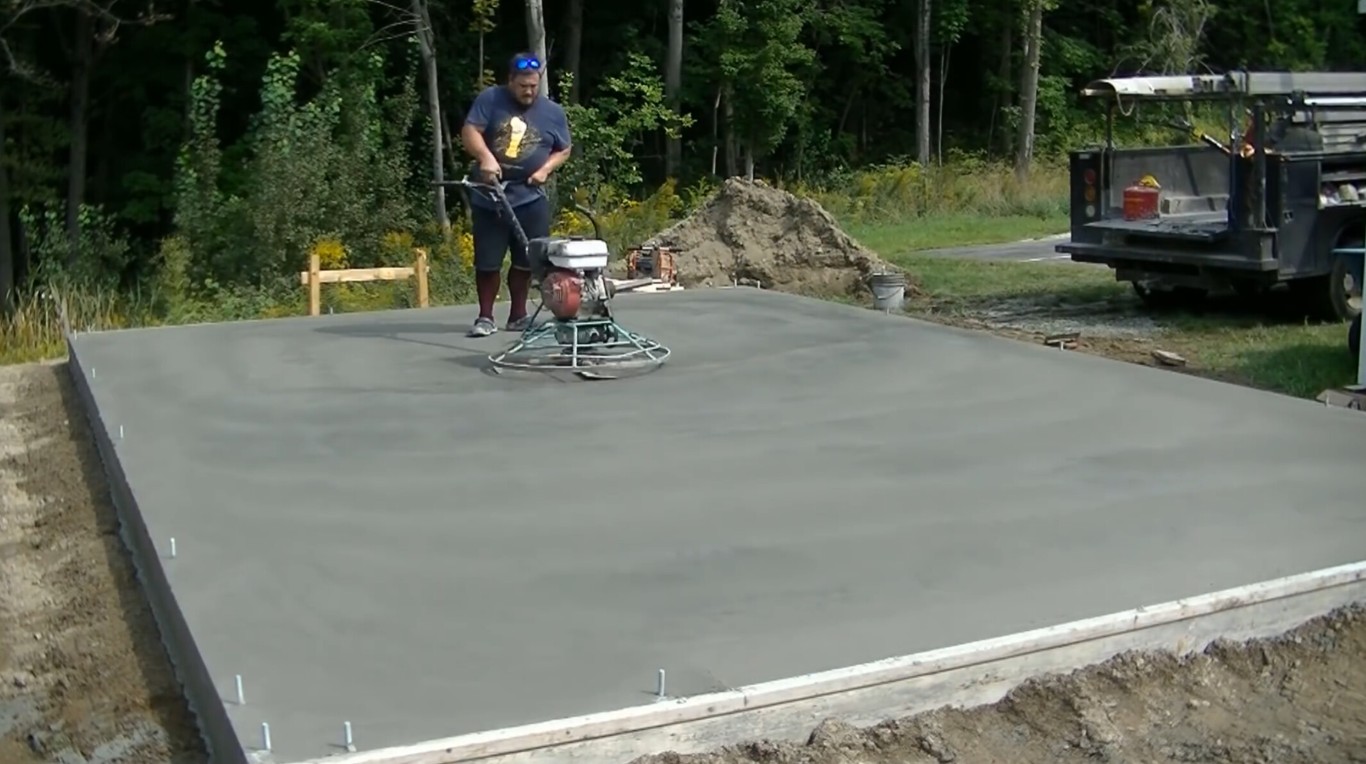
We pour concrete foundations and slabs for residential and commercial projects throughout Lake Oswego. Our team handles everything from site preparation and excavation through final finishing. We work with your builder or architect to meet exact specifications and local building codes.
Lake Oswego soil and weather conditions require specific foundation techniques. We account for drainage, frost depth, and soil bearing capacity in every project. Our concrete foundation work starts with proper preparation and ends with a level, solid base that will support your building for decades.
Types of Foundation Work We Do
Different buildings need different foundation approaches. We handle all types of residential and light commercial foundation work, adjusting our methods to match your project requirements and site conditions.
Common Foundation Types
- Slab on grade foundations for single-story homes and additions, typically 4 to 6 inches thick with perimeter footings
- Crawl space foundations with stem walls and footings
- Garage and shop slabs with proper thickness for vehicle loads
- Shed and accessory building foundations sized for lighter structures
- Basement floor slabs poured after walls are in place
Each foundation type has specific requirements for thickness, reinforcement, and footings. A garage slab needs to handle vehicle weight differently than a garden shed foundation. As your concrete slab contractor, we engineer and build each foundation to match what it will support, following building department requirements and industry best practices.
Footings are a critical part of foundation work. These wider, deeper sections of concrete sit below frost depth and spread the building load to stable soil. We excavate trenches, place forms, add rebar, and pour footings before moving to slab work. This creates the solid perimeter support your structure needs.
Our Foundation Installation Process
Quality foundation work happens in stages. Each step builds on the previous one to create a solid, level base that meets engineering requirements and passes inspection.
Step by Step Foundation Construction
Site preparation comes first. We clear and level the area, then excavate to the proper depth. Soil conditions determine how deep we go and whether we need additional base material. In areas with poor soil, we may need to over-excavate and bring in compacted fill.
Next comes the base layer. We spread and compact gravel or crushed rock to provide drainage and prevent settling. This layer is usually 4 to 6 inches thick, compacted in lifts to achieve proper density. A vapor barrier goes on top of the gravel to prevent moisture from wicking up through the concrete.
Reinforcement is crucial for preventing cracks. We place rebar or wire mesh according to engineering plans. For residential slabs, this typically means rebar around the perimeter and at any penetrations, plus wire mesh or fiber reinforcement throughout the slab. Commercial projects often need heavier reinforcement schedules.
When we pour the concrete, we use the right mix strength for your application. Foundation concrete is typically 3000 to 4000 PSI. We level and finish the surface, then cure it properly over several days. The result is a solid foundation ready for your framing crew or the next phase of construction.
Foundation Work Questions
Homeowners and builders ask us these questions regularly about foundation and slab work. Get in touch if you want to discuss your specific project.
A typical residential foundation takes 3 to 5 days from excavation to final pour, depending on size and complexity. Simple garage slabs might be done in 2 days. Larger homes with footings and stem walls take longer. Weather affects the timeline since we need dry conditions for excavation and pouring. After the pour, the concrete needs 7 days minimum before framing can start, though it continues gaining strength for 28 days.
Most residential foundations follow standard building code requirements and do not need an engineer stamp. Simple garage slabs, sheds, and typical home foundations use prescriptive methods that we know well. However, if you have challenging soil conditions, steep slopes, or unusual loads, the building department may require engineered plans. We can recommend engineers we work with regularly when needed.
Yes, we pour foundations year round in Lake Oswego. Concrete can be placed in cold weather as long as we take proper precautions. We use warm water in the mix when needed and protect fresh concrete from freezing during the first few days of curing. We avoid pouring when temperatures will drop below freezing within 24 hours of placement. Winter pours sometimes cost slightly more due to these extra steps, but the foundation quality is just as good.
Need Foundation Work?
We work with homeowners, builders, and contractors on foundation projects throughout Lake Oswego. Call us to discuss your project timeline and get a detailed estimate.
Call (971) 289-1988