Sidewalks, Walkways & Flatwork
Safe, attractive concrete walkways and flatwork that connect your Lake Oswego property and handle daily foot traffic without problems.
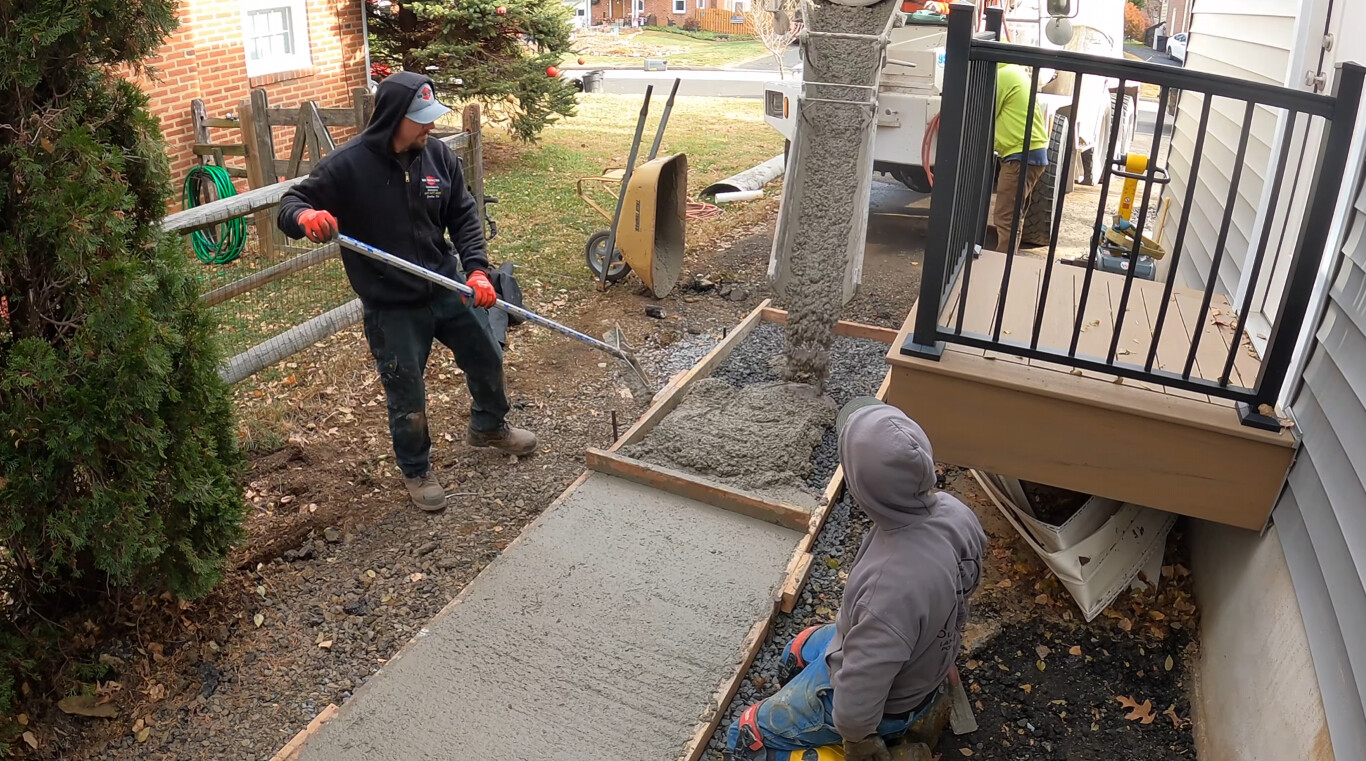
Professional Walkways and Flatwork
Walkways and sidewalks are the paths people use every day to move around your property. They need to be level, safe, and durable enough to handle constant foot traffic through all seasons. Cracked or uneven walkways create trip hazards and liability concerns. Well-built concrete paths give you safe access that lasts for decades with minimal maintenance.
We pour all types of concrete flatwork for residential and commercial properties in Lake Oswego. This includes front walkways from the street to your door, side paths connecting different areas of your yard, backyard paths to sheds or gardens, and concrete pads for trash bins, AC units, or hot tubs.
Every concrete walkway project starts with proper planning. We look at how water drains, where tree roots might cause problems, and how the path connects to your existing structures. Then we build it right with solid base preparation, appropriate thickness, and finishes that provide traction in wet weather.
Types of Flatwork We Install
Flatwork is the term for any horizontal concrete surface. Each type has specific requirements based on its purpose and the loads it needs to handle.
Common Flatwork Projects
- Public sidewalks along streets, built to city specifications with proper width and ADA compliance
- Front entry walkways from driveway or street to your front door
- Garden paths and backyard walkways connecting different outdoor areas
- Concrete pads for equipment, trash enclosures, generators, and utility access
- Curbs, gutters, and decorative edging that defines landscape areas
Walkway width depends on use. A 3-foot path works for one person, but feels tight if two people need to pass. We recommend 4 to 5 feet for main walkways where people regularly walk side by side. Service paths to utility areas can be narrower since they get less use.
Thickness matters too. Most residential walkways are 4 inches thick, which is plenty for foot traffic. If you occasionally drive equipment across the path, we go to 5 or 6 inches. Proper thickness prevents cracking and keeps the surface level even when soil shifts underneath.
Design and Finish Options
Plain concrete walkways are affordable and functional. But you have design options that add character without breaking your budget. The finish you choose affects both appearance and slip resistance.
Popular Walkway Finishes
Broom finish is the most common choice. We drag a stiff broom across wet concrete to create texture that provides traction. This works well in rainy Lake Oswego weather and costs nothing extra. Smooth trowel finish looks more modern but can be slippery when wet, so we typically save that for covered areas.
Exposed aggregate shows the natural stones in the concrete mix. This creates visual interest and excellent traction. We pour the concrete, let it set slightly, then remove the surface layer to reveal the aggregate. The result is durable and attractive.
Stamped concrete lets you create walkways that look like natural stone, brick, or pavers. This costs more than plain concrete but less than actual stone or pavers, and you get a solid surface without shifting pieces or weed growth in joints.
Borders and accent strips break up large expanses of concrete and add visual interest. We can use different colors, textures, or saw-cut patterns to create borders along walkway edges. These details make your walkways look custom and intentional rather than plain and basic.
Walkway and Flatwork Questions
Homeowners planning walkways ask us these questions regularly. Get in touch if you want to discuss your specific project.
Tree roots are a common challenge with walkways. If possible, we route paths away from large trees. When that is not practical, we dig deep enough to get below the main root zone and install a compacted gravel base that resists root intrusion. Sometimes adding a root barrier on the tree side helps. For paths near established trees, we discuss the trade-offs between tree health and walkway longevity so you can make an informed decision.
Concrete walkways can definitely curve. We use flexible forms that bend to create smooth curves following your landscape. Curved paths often look more natural and inviting than straight lines, especially in backyard settings. The curves do require more labor to form up, which adds some cost, but the aesthetic benefit is often worth it. Gentle curves work better than tight turns for concrete flatwork.
Most residential walkways on your own property do not require permits. Public sidewalks along streets typically need city permits and must meet specific standards for width, slope, and placement. If your walkway is part of a larger project like a home addition or new driveway, it might be included in those permits. We can advise on permit requirements for your specific project based on location and scope.
Ready to Install Your Walkway?
Let us visit your property to discuss your walkway plans. We will provide a detailed estimate and help you choose the best route, width, and finish for your needs.
Call (971) 289-1988